The Celebration of Maulidur Rasul
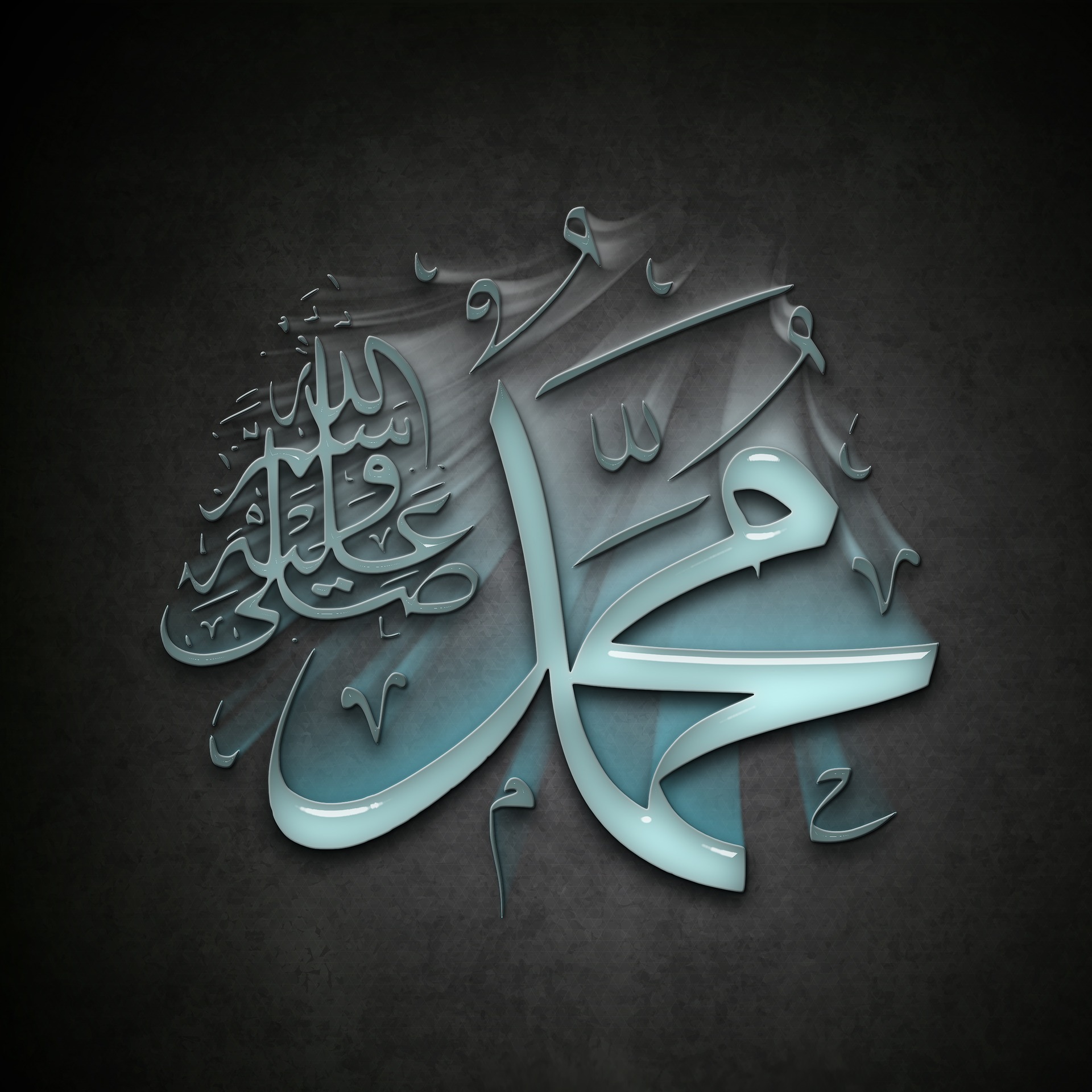
Maulidur Rasul (also spelled Mawlid al-Nabi or Eid Milad un-Nabi) is the observance of the birthday of the Prophet Muhammad ﷺ, celebrated by Muslims worldwide. It falls on the 12th day of Rabi' al-Awwal, the third month of the Islamic lunar calendar. While the celebration is deeply cherished in many Muslim cultures, its observance varies depending on scholarly interpretations and cultural traditions.
### Key Aspects of Maulidur Rasul
1. Significance
- Commemorates the birth of Prophet Muhammad ﷺ (570 CE in Mecca), seen as a mercy to humanity (Quran 21:107: "We sent you not except as a mercy to the worlds").
- A time to reflect on his life, teachings (Sunnah), and moral example.
2. How It’s Observed
- Religious Gatherings: Recitation of the Quran, poetry (e.g., Qasida al-Burda), and stories of the Prophet’s life (*Seerah*).
- Charity: Feeding the poor, donating to mosques, or supporting community projects.
- Processions: In some countries (e.g., Indonesia, Pakistan), parades and cultural events are held.
- Decorations: Homes and mosques may be adorned with lights and green banners (green symbolizes Islam).
3. Cultural Variations
- Egypt: Sweet treats like halawa (sweets) are distributed.
- Morocco: Families gather for festive meals and recite prayers.
- Turkey: Illuminated mosques and public readings of the Prophet’s virtues.
- Southeast Asia: Large public celebrations with Islamic lectures and artistic performances.
### Scholarly Perspectives
- Celebration as Permissible: Many Sunni scholars (e.g., Sufi traditions, Shafi’i and Maliki schools) view it as a praiseworthy innovation (*bid'ah hasanah*) that fosters love for the Prophet ﷺ.
### Quranic and Hadith Basis
- While there is no direct command to celebrate the Prophet’s birthday, Muslims cite Quranic verses emphasizing love for him (e.g., 3:31: "Say, if you love Allah, then follow me; Allah will love you...").
- The Prophet ﷺ reportedly fasted on Mondays, noting it was the day he was born (Sahih Muslim). Some link this to honoring his birth.
### Date in 2024
- Expected to begin on the evening of September 15, 2024 (12 Rabi’ al-Awwal 1446 AH), but exact dates may vary by moon sighting.
### Purpose of Observance
- Spiritual Renewal: Reconnect with the Prophet’s teachings of compassion, justice, and devotion to God.
- Unity: Strengthen communal bonds through shared reverence.
- Education: Teach younger generations about the Prophet’s legacy.
### Conclusion
Maulidur Rasul is a heartfelt expression of love for the Prophet Muhammad ﷺ, blending devotion, culture, and education. While its observance is debated, its core aim—to honor his life and message—resonates deeply with millions of Muslims globally.
What renowned scholars said about Maulidur Rasul
These scholars argue that celebrating the Prophet’s birth is a praiseworthy innovation (*bid'ah hasanah*) if conducted appropriately, as it fosters love for the Prophet and revives Islamic ethics.
- Imam Jalal al-Din al-Suyuti (d. 1505 CE):
In his treatise Husn al-Maqsad fi Amal al-Mawlid, he stated that Mawlid is a permissible innovation if limited to acts of gratitude, such as reciting the Quran, feeding the poor, and praising the Prophet. He emphasized that such celebrations should avoid sinful acts.
- Ibn Hajar al-Asqalani (d. 1449 CE):
He compared Mawlid to the fast of Ashura, arguing that commemorating noble events is Islamically valid. He cited the Prophet’s practice of fasting on Mondays in recognition of his birth.
- Fatwas from Al-Azhar and Majority Scholars:
Many contemporary Sunni institutions (e.g., Al-Azhar in Egypt) and scholars in regions like South Asia, Southeast Asia, and Africa permit Mawlid, viewing it as a cultural expression of devotion, not a religious obligation.
Ilm Society Victoria | ABN: 69 756 255 776
2025 All Rights Reserved